LadyBugz Team — B2B Marketing Specialists
“When 95% of marketers indicate webinars have become crucial to their strategy, it signals something powerful is happening.”
Business leaders stand at the helm of a thriving business landscape in South Africa’s dynamic B2B environment. The possibilities are extraordinary, especially now, as the digital ecosystem reaches new heights by reshaping how businesses connect and grow.
78.9% internet penetration rate
Working with business leaders across South Africa has revealed something remarkable: companies aren’t just adapting to change – they’re pioneering new ways of building meaningful business relationships.
The numbers paint an inspiring picture. When 95% of marketers indicate webinars have become crucial to their strategy, it signals something powerful is happening. Even more telling? Nearly three-quarters of B2B marketers now count these virtual gatherings as their golden ticket to quality leads.
The digital revolution hasn’t stopped there. Latest research reveals a game-changing shift in how South African companies approach B2B marketing. Take LinkedIn, for instance – this professional powerhouse now boasts an incredible number, proving that meaningful connections flourish digitally, with an 85% engagement rate.
The following sections guide readers through the key growth patterns shaping South African B2B marketing through 2025. Whether one is a seasoned entrepreneur or an ambitious business leader, these insights and practical strategies will help navigate and thrive in the evolving marketplace.
Current State of B2B Marketing in South Africa
“The South African e-commerce industry is positioned for a significant advancement, with projections indicating a surge from US$35.23 billion in 2024 to an expected US$74.79 billion by the year 2033.” — ResearchAndMarkets.com , Market Research Company
The African continent’s B2B landscape is remarkable. South Africa stands tall as Africa’s largest B2B market, commanding an impressive €500 billion in size. This development has been shaped by global shifts and a unique approach to digital adoption.
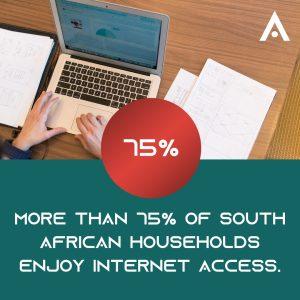
Internet Penetration Rate: 78.9%
Digital connectivity is no longer a luxury. Today’s numbers tell an inspiring story—more than 75% of South African households enjoy internet access. Consider this: 45.34 million South Africans actively used the internet as of January 2024, representing 74.7% of the population. For B2B marketers, this opens doors previously thought impossible.
Mobile Usage Statistics 2024-2025
What’s truly exciting about the mobile-first revolution is that an astounding 97% of households now own at least one mobile phone. South Africa isn’t just mobile-friendly; it’s mobile-first, with over 90% of internet users choosing their mobile devices as their gateway to online services.
The future looks even brighter with the Internet of Things (IoT) sector. The leap from 17 million connections in 2020 to a projected 43 million by 2025 represents not just growth but a complete transformation of B2B communication.
Key Industry Verticals
The digital revolution is reshaping the economy in unprecedented ways. From contributing 8-10% to South Africa’s GDP in 2020, the digital economy is set to reach 15-20% by 2025. That’s not just progress – that’s transformation at scale.

What successful B2B companies are doing differently:
- Digital Solutions Adoption
- Reaching customers, they never could before
- Watching profit margins grow
- Eliminating unnecessary travel costs
- Breaking into international markets with confidence
The e-commerce story gets even better:
- 12% compound annual growth rate through 2025
- Market value soaring to ZAR 180.01 billion by 2025
- Retail sales share jumping from 2-3% to 5-6% (2020 to 2025)
What’s driving B2B buyers towards digital platforms? They’re finding:
- Suppliers at the click of a button
- Less time spent on the road
- More bargaining power
- Healthier bottom lines

Digitalisation isn’t just another buzzword for small and medium-sized enterprises – it’s a survival strategy. With the digital sector growing 10-15% annually over the next five years, the message is clear: adapt or risk being left behind.
LinkedIn has become the virtual handshake, connecting 7 million South African professionals. It’s where relationships are built, deals are made, and businesses grow. The platform’s success comes from something simple yet powerful – genuine professional connections.
The pandemic taught valuable lessons about resilience. B2B companies that embraced online channels discovered they could:
- Reach markets they never thought possible
- Keep costs under control
- Build stronger customer relationships
- Make buying and selling smoother than ever
This isn’t just change – it’s evolution. And for those ready to embrace it, the opportunities are endless.
Top B2B Marketing Channels That Drive Results
Business leaders frequently ask which marketing channels actually work in South Africa. The answer lies in the remarkable success stories unfolding across the digital landscape, where data-backed strategies are reshaping how businesses connect and grow.
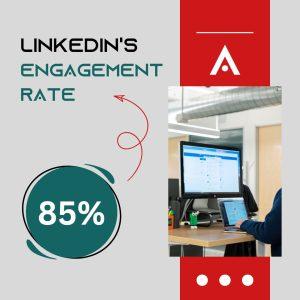
LinkedIn’s 85% Engagement Rate
LinkedIn has evolved far beyond just another social platform. Today, it stands as the most powerful B2B connection hub, where meaningful conversations happen and genuine business relationships flourish. What makes LinkedIn different? It’s the authenticity of professional connections, where every interaction could lead to the next big business breakthrough.
Webinar Success Metrics
“Webinars don’t work for African markets” is a myth that has been disproven. Sales leaders now champion webinars as their most effective lead generation tool. The numbers tell an inspiring story -73% of B2B marketers find success with this format.
Successful webinar strategies showcase:
Registration and Attendance Patterns
- 35% to 45% of registrants are showing up eager to learn
- 84% of B2B customers prefer recorded sessions over live events
Webinar success starts with tracking these vital signs:
- How many landing page visitors become registrants?
- Where are the most engaged participants coming from?
- Which moments capture the audience’s attention?
- What percentage of attendees become qualified leads?
To elevate webinar performance, focus on:
- Gathering honest feedback from the audience
- Creating interactive moments through polls and discussions
- Watching how participants engage with content after the event

Email Marketing Performance
Despite predictions of its decline, email marketing continues to thrive in South Africa’s B2B landscape. Analysis reveals something fascinating – engagement rates are climbing. Billions of emails continue to drive business communications.
What’s driving this renaissance: Privacy changes have improved platform performance, and the post-pandemic world has brought a renewed appreciation for thoughtful email communication. While some industries shine brighter than others, the overall trajectory points upward.
Masters of email strategy focus on:
- Understanding their industry’s unique benchmarks
- Measuring success against market standards
- Learning from audience response patterns
- Staying ahead of privacy developments
Success in these channels isn’t about luck but smart measurement and continuous refinement. Whether investing in webinars or fine-tuning email campaigns, every decision should be data-informed.
Before choosing channels, consider these practical aspects:
- What platforms align with the budget?
- How much will quality content creation cost?
- What technical tools are needed?
- Who will manage these initiatives?
Looking ahead, these channels promise even greater potential. But success depends on consistent measurement and the courage to adapt when the data speaks. Through this approach, companies aren’t just running campaigns but building lasting connections that drive real business growth.
Content Marketing Strategy Framework
B2B marketers struggling to cut through the digital noise face a common challenge: success in South Africa’s B2B landscape demands more than content creation; it requires a framework that delivers real, measurable results. Three key elements make the difference.
Video Content ROI
Video marketing has become a cornerstone of how businesses connect in the B2B space. Thanks to robust internet infrastructure and widespread smartphone adoption, video has transformed from a nice-to-have into a must-have tool. When businesses commit to quality video content, they’re not just telling their story—they’re climbing Google’s rankings, as the search giant rewards content that engages viewers.
Short-form videos capture attention like nothing else. Platforms like TikTok and Instagram Stories have changed the game. These quick, punchy messages don’t just reach younger decision-makers—they create instant connections that traditional formats simply can’t match.
To make every video investment count:
- Watch those numbers—engagement rates reveal what audiences truly value
- Keep it real—authenticity matters more than polish
- Team up with local voices who understand the market
- Know when to bring in professionals for that extra touch of quality
Case Study Creation Guide
“Show, don’t tell” – that’s where case studies shine. They’re proof points, trust builders, saying, “we’ve done this before, and we can do it for you too.”
Start by finding the perfect story that mirrors the ideal client’s journey. Dig deep in interviews to uncover the real challenges, the tough decisions, and most importantly, the breakthrough moments.
Every winning case study needs:
- A compelling protagonist (the client’s profile)
- A worthy challenge to overcome
- The solution’s journey
- The victory lap—measurable wins
To make case studies work harder:
- Paint a clear picture of the target audience
- Let clients do the talking with powerful quotes
- Back up success with solid numbers
- Share everywhere—from LinkedIn posts to email footers
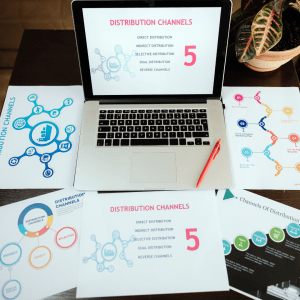
Content Distribution Methods
Content distribution is like planning a journey—one must know where the audience is heading. The Story Brand approach helps map this journey, creating natural and engaging pathways.
Before sharing, get crystal clear on the message. This becomes the North Star, guiding every piece of content across channels.
Proven approaches include:
- Matching content to where buyers are in their journey
- Building trust early with valuable insights
- Keeping the conversation going after the sale
A practical tip: Use a spreadsheet to audit content against the sales funnel. This will quickly reveal gaps and opportunities to better serve the audience.
Remember, this framework isn’t just about creating content, it’s about building lasting relationships. When these elements are thoughtfully aligned, companies aren’t just publishing material; they’re creating conversations that matter to their audience and bottom line.

Digital Marketing Solutions for Lead Generation
“LinkedIn lead generation is considered to be 227% more effective than other advertising platforms.” — Powered by Search, Digital Marketing Agency
Picture a sales team celebrating their best quarter yet. Behind their success lies a powerful combination of marketing automation and customer relationship management (CRM) systems. These aren’t just tools—they’re the engines driving B2B lead generation success stories across South Africa.
Marketing Automation Tools
Marketing teams used to spend hours on manual tasks. Today, advanced campaign management and response analysis capabilities have transformed their work.
Campaign Automation Features:
- Campaigns run seamlessly from start to finish
- Content reaches audiences at the perfect moment
- Customer segments receive tailored messages
- Real-time insights guide decisions
Marketing automation makes cross-selling campaigns more effective. Teams can create precise audience segments, craft personalised messages, and test different approaches until they find what works best.
Even during the hectic October to December holiday rush, marketing can stay steady through:
- Smart email automation
- Carefully segmented customer groups
- Precise performance tracking
Success metrics from these platforms show:
- Every conversion that matters
- Which campaigns truly deliver
- How customers behave over time
- Where profits come from
Leads become opportunities through:
- Rich contact profiles
- Clear visibility of prospect journeys
- Targeted nurturing programmes

CRM Integration Best Practices
Think of CRM integration as building a bridge between teams and customers. Goals might include:
- Finding more qualified leads
- Speaking to customers as if they’re known entities
- Running campaigns that work across all channels
Quality data fuels success. Here’s how to keep it clean:
- Regular data housekeeping
- Consistent formats everywhere
- Intelligent automation for data entry
Magic happens when teams work together. Marketing crafts the messages, sales closes the deals, and the CRM keeps everyone in sync. Breaking down walls involves:
- Creating workflows that connect teams
- Setting goals that everyone understands
- Keeping communication channels open
Let the CRM do the heavy lifting with:
- Smart lead scoring
- Timely follow-ups
- Dynamic audience grouping
Choose a CRM that grows with the business. Regular training sessions turn good teams into great ones.
Point-to-point integration works beautifully for smaller operations. Middleware integration helps handle complex data flows between multiple systems for larger organisations.
These aren’t just solutions—they’re pathways to marketing excellence. When organisations choose the right tools and implement them thoughtfully, they’re not just generating leads but building the foundation for lasting business relationships that drive the company forward.
B2B Marketing Agency Selection Guide
Some B2B partnerships soar while others struggle to take flight. The answer often lies in that crucial first step, choosing the right marketing agency. Here are insights from years of witnessing both triumphant collaborations and painful mismatches in the South African market.
Local vs International Agencies
“Think global, act local” takes on new meaning when selecting a marketing partner. Local agencies bring something special to the table—they live and breathe South African business culture. Their strengths include:
- Deep understanding of the eleven official languages and the diverse cultural tapestry
- First-hand knowledge of local economic patterns and consumer behaviour
- Natural alignment with South African advertising regulations
Yet the world has shrunk. Armed with remote working capabilities, international agencies now offer compelling advantages through their global perspective and vast resources. The beauty of our connected world means geographical boundaries no longer limit choices.

Cost Considerations
“What’s the damage?” It’s often the first question on everyone’s mind, yet the answer varies dramatically. For small businesses dipping their toes in the water, social media marketing might cost between R1,000 and R6,500 monthly, covering everything from content creation to platform management. Larger agencies, offering comprehensive campaigns, typically start at R25,000 monthly.
Professional digital services usually hover around R5,000 per channel monthly.
Typical costs include:
Service Scope and Complexity
- Content marketing basics: R5,000 monthly
- Email campaign orchestration: R3,000 to R10,000 monthly
- Analytics and insights: R4,000 to R10,000 monthly
Monthly retainers might seem daunting initially, but they often prove more cost-effective than pay-as-you-go arrangements. They offer:
- Predictable service delivery
- Straightforward budgeting
- Forward-thinking strategy development
Service Level Agreements
Service Level Agreements (SLAs) are like business prenups—they set expectations and protect both parties. When evaluating potential partners, consider their:
Credibility Markers:
- What do their online reviews reveal?
- How do past clients describe their experience?
- Which case studies demonstrate relevant expertise?
A potential agency’s portfolio tells a story—but careful analysis is required. Look beyond the surface to see if they’ve guided businesses similar to yours toward success.
Technical excellence matters enormously in the rapidly evolving digital landscape. Seek agencies that showcase:
- Mastery of emerging technologies
- Solid industry experience
- Dedication to professional growth
- Strong community values
Many agencies reward loyalty with better rates for longer commitments. These partnerships typically include:
- Ongoing SEO refinement
- Dedicated social media attention
- Regular performance updates
- Strategic planning workshops
A refreshing trend toward pricing transparency has emerged, with agencies openly sharing their fee structures. This openness helps businesses:
- Design bespoke service packages
- Plan budgets confidently
- Compare options meaningfully
- Grasp value propositions clearly
Measuring B2B Marketing Success
“We can’t improve what we can’t measure.” These words from a marketing director encapsulate a fundamental truth—data-driven metrics have become the compass guiding B2B success in South Africa. Research backs this up: companies that consistently track their marketing metrics outperform their competitors.
Key Performance Indicators
SMART goals remain more relevant than ever in B2B marketing—Specific, Measurable, Achievable, Relevant, and Time-bound. The metrics that truly matter include:
Traffic Analysis:
- Website traffic tells the first chapter of the digital story
- Organic traffic reveals how well content resonates
- Paid traffic shows promotional muscle
Cost-Related Metrics:
- CPC answers “How efficient is our paid advertising?”
- CPL tells the price of each potential relationship
- CAC reveals the full cost of winning a customer
Conversion Tracking:
- CTR shows if messages catch attention
- Conversion rates reveal persuasion power
- MQL to SQL ratio measures lead quality
Customer Value Assessment:
- CLV helps see beyond the immediate sale
- Brand metrics keep the long-term vision clear
- Profitability indicators guide investments

Analytics Tools for the African Market
The unique South African market demands specific approaches to analytics. An effective toolkit should deliver:
Sales Performance Tracking
- Regular health checks on data
- Frameworks that make sense for the market
- Insights that can be acted on immediately
Customer Behavior Analysis
- Patterns in purchasing decisions
- Engagement stories that matter
- Clear pictures of customer preferences
Logistics Performance
- How efficiently organizations deliver
- Supply chain effectiveness
- Resource usage patterns
The tricky part is connecting today’s actions with tomorrow’s results. The picture gets even cloudier when metrics scatter across departments.
The solution? Build a framework that captures:
- Input metrics—every marketing action and rand spent
- Output metrics—profits and cash flow
- Clear connections between actions and results
During tough economic times, the pressure to prove marketing’s worth intensifies. An effective measurement system must:
- Keep a constant eye on metrics
- Gather data like clockwork
- Share findings that spark action
- Turn insights into improvements
The evidence speaks volumes—solid marketing metrics directly boost business performance. Market-focused companies consistently show more substantial long-term profits than their peers. It’s not just about measuring; it’s about thriving.
Focus metrics on:
- Making smarter resource decisions
- Finding the most valuable customers
- Watching competitive position
- Proving marketing’s worth
When organisations embrace data-driven decisions, success becomes measurable and achievable. This isn’t just about numbers—it’s about building a stronger, more competitive business in South Africa’s vibrant market.
Budget Planning and Resource Allocation
“Your budget tells a story about what you value most.” These words from a seasoned marketing director in Johannesburg perfectly capture why thoughtful resource allocation matters. Looking toward 2025, successful B2B organisations in South Africa make every rand count whilst staying nimble in the dynamic market.
Team Structure Requirements
Here’s something exciting: 65% of marketing leaders saw their budgets grow in 2024, with even brighter prospects for 2025. This tells us something powerful about the value of strategic team building.
A dream team needs these key players:
- Content Specialists: The storytellers who make brands come alive
- Data Analysts: Insight architects who turn numbers into narratives
- Digital Strategists: Visionaries who map online journeys
- SEO Specialists: Visibility champions
- Social Media Managers: Brand voices across digital platforms
Something fascinating is happening in teams—AI tools are changing how work gets done. Marketing leaders who embrace AI aren’t just seeing better results; they’re winning larger budgets. When building teams, look for people who light up at the mention of new technology.
For teams to soar, try these approaches:
- Break down walls between marketing and sales
- Make learning a daily adventure
- Keep communication channels wide open
- Link every metric to business goals

Technology Investment Priorities
Smart technology choices can transform marketing effectiveness. As 2025 approaches, here’s where savvy leaders are placing their bets:
- AI-Powered Marketing Tools: Crystal balls for data-driven decisions
- Unified Analytics Platforms: One dashboard to rule them all
- Attribution Modelling Software: Track every step of the customer’s journey
- Marketing Automation Systems: Free teams for strategic thinking
- CRM Software: Keep customer relationships growing
Before opening the technology wallet:
- Choose AI tools that play nicely with current setups
- Think big—pick solutions that grow with the organization
- Calculate the returns before investing
- Factor in the learning journey
Webinars are absolute gold for B2B marketing. Picture this: 95% of marketers call them crucial, and 73% say they’re their best source of quality leads. When done right, they can convert up to 51% of registrants.
Real numbers from recent B2B webinars:
- Business Strategy Webinar: 784 people registered, 162 showed up ready to learn
- Finance Outsourcing Webinar: 492 registrations, 133 engaged participants
- SAP 3rd Party Risks Webinar: 621 signed up, 256 joined the conversation
To make webinars shine, invest in:
- Professional hosting platforms that won’t let you down
- Quality equipment that makes presenters look and sound brilliant
- Skilled presenters who keep audiences hooked
- Analytics tools that help measure success
Think of budget planning like a dance—start with marketing steps, then match the budget to the rhythm. Keep adjusting until everything flows.
Remember these essentials:
- Metrics: Set goals you can measure
- Accountability: Let people own their targets
- Flexibility: Stay ready for unexpected opportunities
Budgets shouldn’t be set in stone. Think of them as living documents that evolve with quarterly reviews.
Pro tip: don’t get lost in the details. Rather than counting paperclips, focus on big-picture categories that show clear returns.
As organisations chart their course, these principles should stay close:
- Think long-term when investing
- Balance the tried-and-true with the new
- Let data guide resource shifts
- Build teams that love to learn and adapt
When smart planning blends with emerging technology, organisations aren’t just spending money—they’re investing in their future. Success in South Africa’s B2B landscape isn’t just about having the biggest budget; it’s about making every rand work harder for specific goals.

Future Growth Opportunities
Leaders guiding organisations into a future where digital innovation isn’t just an option—it’s the heartbeat of business success, find that South Africa’s B2B landscape stands at the cusp of remarkable transformation, offering extraordinary possibilities for those ready to embrace tomorrow’s opportunities.
Emerging Technologies
The industrial metaverse has arrived, revolutionising how Africa approaches user experience design. Connecting with clients happens in ways once thought possible only in science fiction.
The competitive edge in South Africa’s B2B sector lies in Artificial Intelligence. As AI workloads grow more sophisticated, they’re reshaping the entire computing landscape. This breakthrough enables teams to:
- Make sense of complex data stories
- Create client experiences that feel personal
- Work smarter, not harder
Digital engineering is becoming the backbone of organizational structure. When development and operations teams truly collaborate, magic happens through:
- Real value reaching customers faster
- Operations that simply work better
- Service that exceeds expectations
Africa’s unique gift? The continent is brilliant at leapfrogging outdated technologies. From banking to farming, Africa writes its own rules about innovation. This creates golden opportunities for bold leaders willing to embrace cutting-edge solutions.
Market Expansion Strategies
South African B2B leaders have cracked the code on market growth. The secret? Quality and value must shine through every client conversation. Sometimes, even the smallest edge over competitors can open doors to remarkable opportunities.

Market Expansion Strategies
South African B2B leaders have cracked the code on market growth. The secret? Quality and value must shine through every client conversation. Sometimes, even the smallest edge over competitors can open doors to remarkable opportunities.
E-commerce isn’t just changing the game—it’s creating a new playing field. South African businesses are now reaching markets they once only dreamed about. This digital revolution offers:
- Partnerships across borders
- Markets not yet explored
- Operations that run like clockwork
Growth strategies need three clear focuses:
- Protecting what’s been built
- Growing current presence
- Finding fresh opportunities
Here’s a truth about South Africa—what works in Gauteng might need a complete rethink in KwaZulu-Natal. Success demands understanding:
- What local customers truly want
- How to get products where they need to be
- What makes each region’s economy tick
Digital transformation isn’t just changing how work gets done—it’s rewriting the rules of business. When investing in digital infrastructure, doors open to:
- Global market reach
- Deeper customer connections
- Smoother operations
Tools like Cloudfy are helping businesses find their digital feet. These platforms offer:
- Freedom to make it their own
- Seamless customer connections
- Operations that just flow
DevOps isn’t just a buzzword—it’s becoming essential to organisational structure. This approach delivers:
- Value at the speed of business
- Teams that work as one
- Happier customers
The industrial metaverse isn’t just about technology—it’s about growing people. This new frontier creates opportunities for:
- Connecting with clients in new ways
- Delivering services differently
- Helping teams grow

Conclusion
Those early doubts about whether digital marketing was just another trend have vanished. South African B2B marketing tells an extraordinary story of transformation—one where 78.9% internet penetration and LinkedIn’s remarkable 85% engagement rate aren’t just numbers. They’re proof of how far the industry has come.
It’s amazing that 95% of marketers now count webinars as crucial to their strategy. It’s not just theory—B2B webinars pull in 30-40% attendance rates, filling sales pipelines with qualified leads who are ready to engage. These aren’t just statistics; they’re success stories written by forward-thinking South African businesses.
The marketing automation journey might feel daunting at first. But when automation pairs with data-driven decisions, something magical happens. Teams work smarter. Leads flow more freely. Customer conversations become more meaningful. Add AI-powered solutions to the mix, and suddenly, businesses create personalised experiences at a scale once thought impossible.
As businesses chart their course forward, they should focus energy on:
- Building digital presence where it matters most
- Crafting content that sparks genuine connections
- Measuring what moves the needle
- Embracing technologies that shape tomorrow
The B2B landscape of 2025 belongs to the adaptable, the strategic, the bold. Success won’t come from choosing between tradition and innovation—it’ll come from blending both in ways that serve unique visions.
Organisations aren’t just witnessing this transformation; they’re part of it. These insights can help companies write their chapter in South Africa’s B2B success story. The future is bright for those ready to embrace it.
FAQs
Q1. What are the key digital marketing trends expected in South Africa for 2025?
The key trends include increased adoption of AI-powered marketing tools, a focus on video content, particularly short-form videos, and the rise of the industrial metaverse. Additionally, there’s a growing emphasis on data-driven decision-making and personalised marketing strategies.
Q2. How effective are webinars for B2B marketing in South Africa?
Webinars have proven highly effective for B2B marketing in South Africa. About 95% of marketers consider them crucial to their strategy, with 73% identifying them as prime sources for quality leads. Successful B2B webinars typically achieve 30-40% attendance rates.
Q3. What role does LinkedIn play in B2B marketing in South Africa?
LinkedIn has emerged as a powerhouse for B2B marketing in South Africa, demonstrating an impressive 85% engagement rate. The platform’s success stems from its ability to facilitate direct connections with decision-makers and industry professionals, leading to higher conversion rates.
Q4. How is the e-commerce landscape evolving for B2B businesses in South Africa?
The B2B e-commerce sector in South Africa is showing strong growth potential. Projections indicate a compound annual growth rate (CAGR) of 12% through 2025, with the market value expected to reach ZAR 180.01 billion by 2025. This growth is driven by increased digital adoption and the need for efficient business processes.
Q5. What should B2B marketers focus on to succeed in South Africa’s 2025 landscape?
To succeed in 2025, B2B marketers in South Africa should focus on building a strong digital presence across key platforms, creating engaging and value-driven content, measuring performance through clear metrics, and investing in emerging technologies like AI and automation. Adaptability and strategic resource allocation will be crucial for sustainable business growth.
Want to take your B2B marketing to the next level?
At LadyBugz Marketing, we help B2B businesses grow through strategic LinkedIn marketing, thought leadership content, and practical execution that gets results.
Keep reading